When losing weight, especially if you’re experiencing rapid weight loss, your skin may sag. This is a natural reaction of your body. However, loose and sagging skin can be uncomfortable and affect your self-confidence. Fortunately, there are some precautions and methods you can take to minimize this.
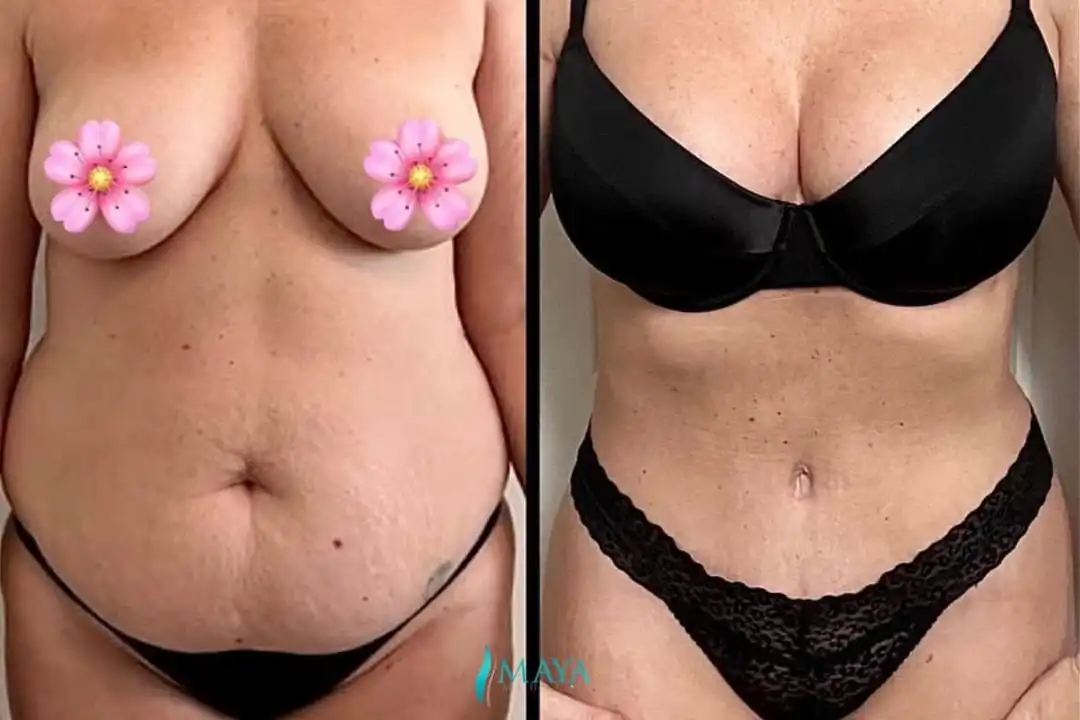
At our Maya Medical clinic in Istanbul, we will explore both natural and surgical options that can tighten and revitalize your skin and allow you to fully enjoy your weight loss.
What causes loose skin after weight loss?
Loose skin after weight loss is a common occurrence for many people. There isn’t just one cause. Below, you can find the main factors affecting this process under clear headings.
Rapid weight loss
When weight is lost too quickly, the skin cannot adapt to this change. The body shrinks, but the skin needs time to recover. If this time is not allowed, sagging becomes inevitable. Therefore, slow and controlled weight loss is more advantageous for the skin.
Amount of weight lost
The more weight lost, the less support the skin has. This is especially noticeable in areas such as the abdomen, arms, and thighs. As the volume the skin needs to cover decreases, the sagging appearance increases.
Loss of collagen and elastin
The building blocks that hold the skin firm can be damaged over time. Being overweight for a long time weakens these fibers. If the skin doesn’t have its former strength after weight loss, it becomes harder to recover. Therefore, sagging can become more permanent.
Genetic factors
Not everyone’s skin reacts the same way. Some people naturally have more elastic skin, while others are more sensitive to weight changes. It’s perfectly normal for two people who lose the same amount of weight to see different results.
Age factor
As we age, the skin produces less support. This causes the skin to thin and lose its elasticity. While recovery is easier in people who lose weight at a young age, sagging may be more pronounced in later years.
Lifestyle habits
Smoking and alcohol reduce the skin’s resilience. Excessive sun exposure also weakens the skin’s structure. These habits contribute to the sagging appearance of the skin after weight loss. Being overweight for a long time also increases this effect.
In summary;
Loose skin after weight loss is not due to a single cause. The speed of weight loss, the amount of weight lost, age, genetic makeup, and lifestyle all play a role. Therefore, everyone’s experience is different, and this is completely natural.
How much weight loss causes skin sagging?
Weight loss directly affects changes in the skin. How your skin reacts depends on the amount and speed of your weight loss. For example, a loss of 50 kilogrammes or more, especially if it happens quickly, puts a strain on the skin’s elasticity and can lead to sagging. Slow weight loss allows the skin to recover better.
Your starting weight also affects this process. If you’ve been overweight for a long time, your skin may be more difficult to tighten. This can cause the skin to sag more.
Genetic factors also play an important role. Everyone’s skin reacts differently. Some people are born with more elastic skin, but others may experience skin sagging after weight loss. As we age, the skin’s elasticity decreases, which increases the risk of sagging.
How to avoid loose skin when losing weight?
Sagging skin while losing weight isn’t inevitable, but it requires a bit of strategy. Think of it like a rapidly shrinking tent. If you lower the poles slowly, the fabric will tighten. If you lower them all at once, it will sag. The following steps will help your skin adapt to this process:
Lose weight gradually and steadily
Slow weight loss is your skin’s best friend. As your body shrinks, your skin has time to tighten. Small but regular weekly losses reduce the risk of sagging. Moreover, this method makes it easier to maintain your weight.
Lose weight without losing muscle
When fat is lost, a void forms under the skin. Muscle fills this void. Light weight training and resistance exercises make the skin look firmer. They also keep your metabolism active.
Nourish your skin from the inside
Your skin notices what you eat. Protein helps tighten the skin. Vitamin C and Vitamin E support skin tissue. Foods containing Omega-3 keep the skin more supple. So, what you eat affects your reflection in the mirror.
Drink enough water
Skin is largely composed of water. Dehydrated skin acts like a loosened rubber band. Regular water consumption throughout the day contributes to a fuller and more vibrant appearance of the skin.
Don’t neglect skincare
Using moisturizer is simple but effective. When applied with massage, it supports blood circulation. Sun protection is also very important. The sun weakens the structure that holds the skin together over time.
Limit smoking and alcohol
Smoking reduces the skin’s resilience. Alcohol dehydrates the body. Both make it harder for the skin to recover. Reducing these habits while losing weight makes a big difference for the skin.
Track your weight loss
Look not only at the scale, but also at your skin. If you notice you’re going too fast, slow down. Small adjustments lead to better results in the long run. Even keeping a record of the process increases awareness.
It may not always be possible to completely prevent sagging skin. But with the right pace, the right nutrition, muscle support, and good habits, you can significantly reduce this risk. The goal is not just to lose weight, but to enjoy the weight you’ve lost.
Non-surgical skin tightening
When skin starts to sag, surgery isn’t the first thing that comes to mind for everyone. Today, non-surgical skin tightening methods offer powerful alternatives to firm and revitalize the skin. The logic is simple: to give the skin the right stimulus to regenerate itself. These procedures should be performed or supervised by a licensed dermatologist, plastic surgeon, or cosmetic surgeon.
You can think of these methods like gently wetting a deflated sponge. The sponge doesn’t immediately return to its original state, but it plumps up over time. Skin works similarly.
Radiofrequency skin tightening
In this method, controlled heat is applied to the lower layers of the skin. The heat helps the skin to tighten itself. Over time, the skin appears firmer and smoother. Daily life can be resumed immediately after the procedure. Results become clear within months.
Ultrasonic skin tightening (Ultherapy)
Ultrasound targets the deeper layers of the skin. This deep stimulation allows the skin to regain strength. It is most often preferred on the face and neck. The effect appears gradually but looks natural.
Laser skin tightening
Laser sends light energy to the skin. This energy helps to tighten the skin. Several sessions are usually required. Results are gradual and require patience. It is more effective in more limited areas such as the face.
Vacuum-assisted massage
This method aims to stimulate circulation. The skin looks more vibrant. It is a supportive option for mild sagging. It doesn’t work miracles on its own, but it supports the process.
Non-surgical skin tightening methods give better results in mild cases of looseness. The effect may be limited in larger areas such as the abdomen or upper arms. Therefore, it is necessary to set expectations correctly.
Plastic surgery for loose skin
After significant weight loss, skin sometimes fails to recover. In this case, plastic surgery becomes an option to improve comfort and quality of life. Below you can find the most frequently performed surgical methods:
Arm lift (Brachioplasty)
An arm lift surgery targets loose skin on the upper arms. It is especially preferred for people who feel discomfort when swinging their arms. The aim is to give the arm a smoother and more comfortable shape.
Tummy tuck (Abdominoplasty)
A tummy tuck removes loose skin from the abdominal area. It can also tighten the abdominal muscles.
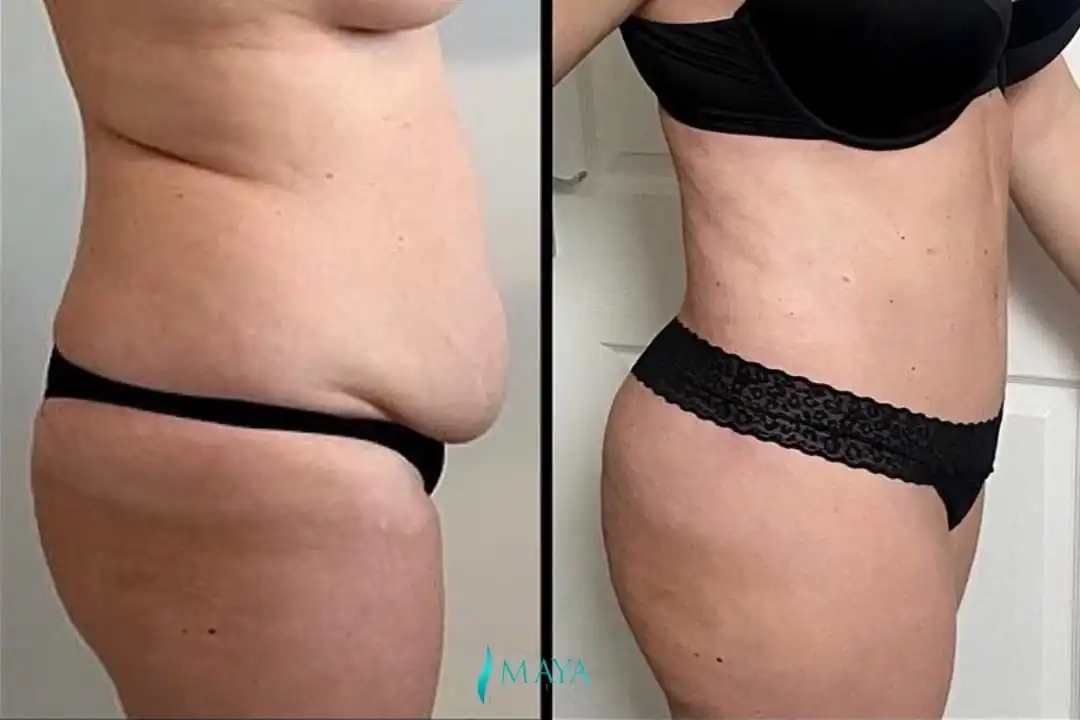
A mini tummy tuck may be preferred for more limited loosening. A full tummy tuck is performed for more extensive sagging.
Lower body lift
This procedure covers the abdomen, hips, and outer thighs. It targets extensive sagging in the lower body after significant weight loss. Usually, multiple areas are addressed simultaneously.
Thigh lift
A thigh lift aims to remove loose skin on the inner or outer thighs. It provides comfort for people who experience friction while walking or have restricted movement.
Breast lift (Mastopexy)
Breast lifts provide a firmer appearance to the breasts by removing excess skin. It is frequently chosen for individuals experiencing volume loss and sagging after weight loss.
Facelift (Rhytidectomy)
Facelift procedure targets sagging skin in the face and neck area. The aim is to achieve a more rested and firm appearance. A facelift is usually planned along with a neck lift.
Panniculectomy
This procedure removes excess skin that sags below the navel and makes daily life difficult. It is usually preferred in cases causing medical discomfort. The aim is functional relief rather than aesthetics.
A brief note on the recovery process
Most of these surgeries are performed under general anesthesia. Recovery time varies depending on the procedure performed. Returning to daily life may take several weeks. It may take several months for the final results to fully settle.
Tightening loose skin: Take the first step with Maya Medical
Loose skin after weight loss is not something you have to accept permanently. With the right plan, expert guidance, and well-chosen treatments, your body can regain its balance and firmness. With advanced surgical options like tummy tuck and liposuction in Istanbul, Maya Medical is always by your side to help you achieve long-term results. The goal is not a quick fix, but a sustainable, natural, and confident transformation. Taking the first step today can help you feel comfortable in your body again.
In conclusion, sagging skin is not destiny. With the right plan, the right team, and the right methods, you can regain harmony with your skin. You can confidently begin this process with plastic surgery in Turkey and progress towards a firmer and more balanced appearance.
FAQs
Will loose skin go away after losing weight?
Skin loosening varies from person to person. If weight loss is rapid, your skin may not be able to adapt sufficiently. When the skin remains stretched for a long time, it doesn’t return to its original shape. Age, genetics, and the rate of weight loss are also important factors.
Can you tighten loose skin?
Yes, it is possible to tighten loosening skin. Skin elasticity can be increased and tightened through diet, exercise, creams, and surgical procedures.
How can you tighten the skin in the abdominal area after losing weight?
Exercise, healthy eating, and some medical treatment options can be effective for sagging in the abdominal area. You can achieve the best results with different treatment methods based on your weight loss rate and body type.
Will I have loose skin after losing 40-50 kilos?
The likelihood of skin loosening after losing 50 kilos depends on the speed of weight loss and how much weight you lose relative to your body weight.
Would it be possible to avoid loose skin after losing 100 pounds or more?
After significant weight loss, the skin may not fully return to its original state. The skin may need time and certain treatment methods to recover quickly. Slow and controlled weight loss with expert guidance helps minimise sagging.
Can loosening skin regain its elasticity?
Loose skin can regain elasticity with healthy lifestyle changes and proper treatment. It may be possible to help the skin recover with regular exercise, healthy eating, and skincare products.
Is it possible to tighten sagging skin without surgery?
Yes, loose skin can be tightened without surgery. This can also vary depending on the weight loss you achieve. Non-invasive procedures like radiofrequency and ultrasound can help tighten and make the skin more elastic.
How much does it cost to tighten loose skin?
The cost of tightening loose skin varies depending on the preferred treatment. While natural methods like diet and exercise are low-cost, surgical body contouring treatments for sagging skin can be more expensive.